
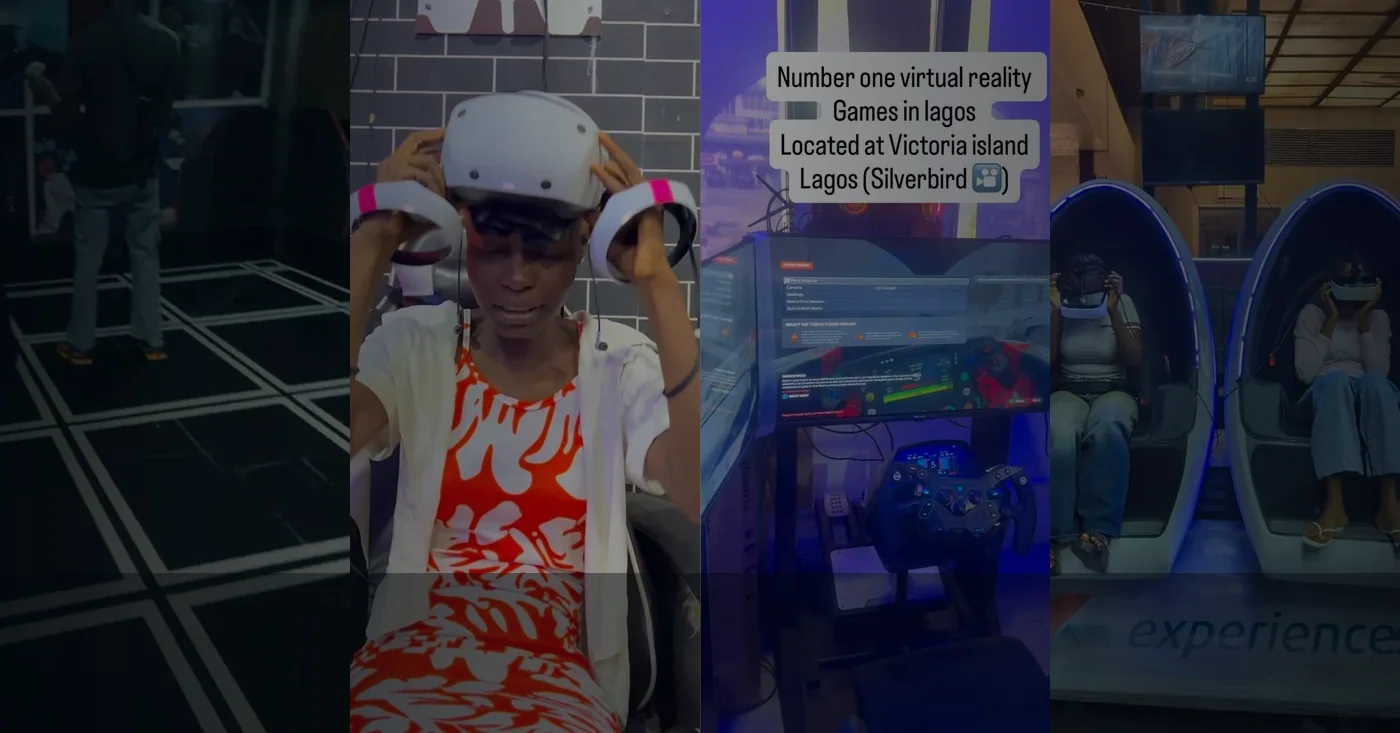
Starting a game cafe in Nigeria can look simple from the outside. People see consoles, screens, chairs, lights, VR headsets, racing simulators, and customers having fun. But behind the experience is a real business with rent, equipment, staff, power, marketing, maintenance, customer service, safety, and daily operations.
At Player One Game Cafe, we have learned that the cost of starting a game cafe is not only the cost of buying PS5 consoles or VR headsets. The real cost is building a space that can attract customers, survive daily use, and operate consistently.
This article breaks down the main cost areas anyone should think about before starting a game cafe, gaming lounge, VR arena, or immersive entertainment space in Nigeria.
1. Location and rent
Location is one of the biggest decisions. A game cafe needs visibility, access, safety, and the right type of traffic. A cheap location may reduce rent, but if customers do not come, the business struggles. A premium mall may bring visibility, but rent and service charges can be heavy.
Before choosing a location, consider:
- Is there foot traffic
- Is the audience right for gaming
- Is the space safe and accessible
- Is there parking or public transport access
- Are there schools, cinemas, offices, or residential areas nearby
- Can the space handle sound, movement, and group activity
- What are the service charges and power costs
Rent is not the only cost. Service charge, electricity, security, cleaning, mall rules, signage, and renovations must also be included.
2. Equipment cost
Equipment is the most visible part of the business, but it must be planned carefully. A game cafe can include:
- PS5 consoles
- Xbox consoles
- Nintendo Switch
- Screens/TVs/monitors
- Controllers
- VR headsets
- Racing wheels
- Racing cockpits
- Gaming chairs
- Headsets/audio
- Routers/internet equipment
- Power backup
- Computers/laptops
- CCTV/security
- POS/payment devices
The mistake many people make is buying equipment without understanding the customer experience. Equipment should match the space, target audience, pricing model, and expected usage.
3. Interior design and layout
A game cafe is not only equipment; it is an environment. Customers pay for the experience. Lighting, seating, spacing, wall design, signage, air conditioning, music, comfort, and photo-friendly corners all matter.
A well-designed space helps customers feel that they are not just playing games; they are entering a destination.
Important layout questions include:
- Where will customers wait
- Where will staff stand
- Where will customers take photos
- How will groups move around
- Is VR space safe
- Are screens protected
- Can staff monitor customers easily
- Is the layout good for content creation
4. Power and internet
Power and internet are critical in Nigeria. A gaming business cannot depend on hope. Consoles, screens, routers, VR systems, POS devices, lights, and air conditioning all need stable power.
Internet also matters for updates, online gaming, content, payments, and customer experience.
Budget for:
- Reliable internet
- Backup internet if possible
- Power backup
- Surge protection
- Proper cabling
- Network planning
- Equipment protection
5. Staffing and training
A game cafe cannot run well without trained staff. Staff must know how to operate games, manage customers, protect equipment, sell packages, handle payments, maintain order, and report issues.
For VR, staff training is even more important because customer safety is involved.
Roles may include:
- Game operators
- Cashier/front desk
- Branch manager
- Marketer/content assistant
- Technician/support person
- Event coordinator
The cost of staff is not just salary. It includes training, supervision, uniforms, accountability systems, incentives, and sometimes replacement when people leave.
6. Marketing and launch cost
Many people spend everything on equipment and forget marketing. A game cafe needs constant visibility.
Marketing may include:
- Google Ads
- Instagram/TikTok content
- Influencer/creator visits
- Flyers/posters
- Google Business Profile optimization
- WhatsApp broadcast
- Launch events
- School outreach
- Corporate outreach
- Birthday package promotion
- Content creation
In gaming, people need to see the experience before they understand it. Photos and videos are not optional.
7. Maintenance and damage
Public-use gaming equipment will eventually face wear and tear. Controllers break. Steering wheels can fail. Screens can be damaged. VR headsets need care. Cables get pulled. Chairs wear out.
A smart game cafe budget must include maintenance and replacement.
You need:
- Damage policy
- Staff accountability
- Customer safety briefing
- Repair budget
- Spare controllers
- Cleaning routine
- Equipment checklists
- Daily reporting
8. Pricing strategy
Pricing must balance affordability and sustainability. If prices are too high, customers may hesitate. If prices are too low, the business may not cover rent, staff, power, repairs, and equipment replacement.
A good game cafe should have options:
- Quick play
- Premium experiences
- Group packages
- Birthday packages
- All-day passes
- School packages
- Corporate team bonding
- Event rentals
This helps the business serve different customer types without depending on one revenue stream.
9. Hidden costs people forget
Some hidden costs include:
- Game purchases/subscriptions
- Software updates
- Controller replacement
- Cleaning supplies
- Internet data
- Staff lateness/turnover
- Taxes and compliance
- Repairs
- Logistics
- Marketing content
- Payment charges
- Security
- Signage
- Staff phones/data
These costs can quietly reduce profit if not planned.
Final thought
Starting a game cafe in Nigeria is not just about buying consoles. It is about building a system: location, equipment, layout, staff, pricing, marketing, operations, maintenance, and customer experience.
At Player One, our experience has taught us that the opportunity is real, but the planning must be serious. Anyone who wants to build a game cafe should first understand the business model, not just the equipment list.