
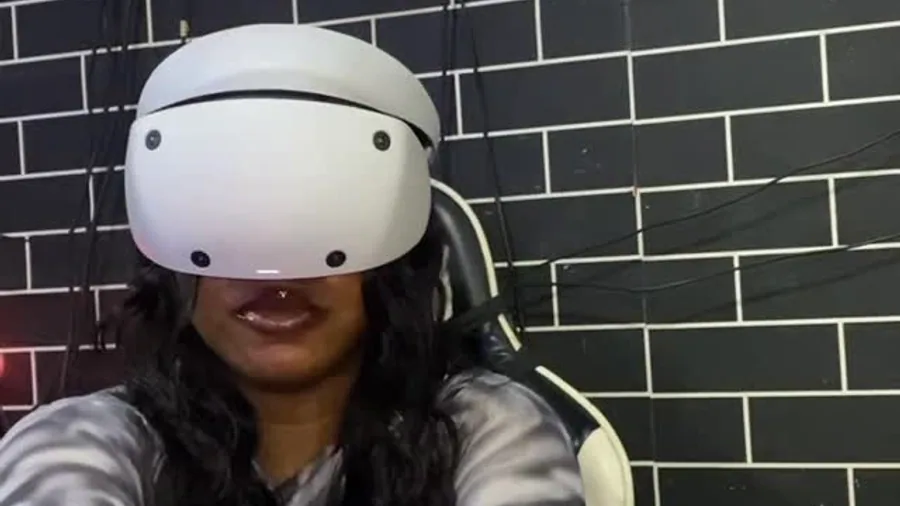
Virtual reality is one of the most exciting experiences inside Player One Game Cafe, but running VR in Lagos has taught us that VR is not just about buying headsets and allowing people to play. It is about safety, customer education, space planning, staff attention, equipment care, pricing, and creating a memorable moment that customers can understand immediately.
At Player One, we have seen different types of customers try VR: kids, teenagers, adults, first-time visitors, gamers, families, corporate teams, creators, and people who simply want to try something different from the normal cinema, restaurant, or lounge experience. The reaction is usually powerful because VR feels physical, emotional, and new. But the business side requires discipline.
1. Many customers need guidance before they play
For many people, VR is still unfamiliar. Some customers do not know what to expect. Some think it is just like watching a screen. Others become too excited once the headset is on. That is why proper briefing is important.
Before a customer starts, the operator must explain the boundaries, the controls, what the customer will see, and how to respond if they feel uncomfortable. This short introduction can prevent confusion, accidents, and poor experiences.
VR is not something operators should casually hand over. The moment the headset goes on, the customer is blind to the physical room. Staff must guide, observe, and stay alert.
2. Safety is not optional
One of the strongest lessons we have learned is that VR safety must be treated as a serious operating system. A customer inside VR can move suddenly, swing hands, step forward, turn around, or forget the real room.
This means operators must:
- Keep the play area clear
- Brief customers before play
- Watch the customer during play
- Prevent customers from walking into screens, walls, furniture, or other people
- Avoid distractions while customers are in VR
- Stop the session when necessary
For a public VR business, staff negligence can become expensive quickly. Equipment can be damaged and customers can be injured. A good VR experience depends on discipline.
3. Space matters more than people think
VR needs space. Even when a headset can technically work in a small area, the customer experience is better when the play space feels safe and open. Free-roam VR needs even more planning.
For game cafes, schools, malls, hotels, and venues thinking of adding VR, the question should not only be: “Can a headset work here” The better question is: “Can customers move safely and enjoyably here”
The best VR layout considers:
- Play area size
- Customer waiting area
- Staff visibility
- Cable safety where applicable
- Screens and fragile equipment nearby
- Ventilation and comfort
- Lighting
- Queue flow
4. VR is a strong content tool
VR is not only a game experience; it is also a content experience. When customers wear headsets, react, scream, laugh, jump, compete, or try something for the first time, it creates moments that people want to record and share.
For creators, VR is visually interesting. For brands, it creates engagement. For schools, it creates curiosity. For families, it creates memory. For corporate teams, it creates bonding.
This is why VR should not be hidden in a corner. It should be positioned as an experience people can see, talk about, and remember.
5. Staff training is everything
A good VR setup can still fail with poor staff training. Operators need to know more than how to start a game. They need to understand customer behavior, safety, hygiene, equipment handling, troubleshooting, and how to manage excitement.
Important staff training areas include:
- How to brief customers
- How to wear and remove headsets safely
- How to sanitize equipment
- How to watch customers during sessions
- How to manage kids and first-time users
- How to stop unsafe behavior
- How to handle technical issues
- How to report equipment problems
This is one of the reasons Player One also advises people who want to build game cafes or VR arenas. Buying equipment is only the beginning. Operations determine success.
6. Equipment must be treated like business assets
In a home, a VR headset may be used by one or two people. In a public game cafe, it may be used by many customers every day. That changes everything.
A commercial VR business must think about:
- Battery life
- Sweat and hygiene
- Strap durability
- Controller damage
- Lens care
- Storage
- Charging routine
- Software updates
- Replacement parts
- Staff accountability
Equipment that looks affordable at the start can become expensive if it breaks often or cannot survive public use.
7. Pricing must match the experience
VR is not the same as ordinary screen gaming. It requires staff attention, equipment care, safety, space, and setup time. Pricing must reflect that.
At Player One, VR is part of a wider experience that includes other gaming options, group packages, birthdays, school trips, team bonding, and event rentals. This gives customers options while helping the business protect the value of premium experiences.
8. VR can help brands and venues stand out
For brands, VR can turn a simple activation into a memorable experience. For malls and venues, VR can attract attention and increase dwell time. For schools, it can introduce students to future technology. For companies, it can make team bonding more exciting.
This is why Player One is building not just a game cafe, but a broader VR and gaming experience platform.
Final thought
Running VR in Lagos has taught us that the opportunity is real, but the business must be handled professionally. The future of VR in Nigeria will not be built only by people who buy headsets. It will be built by people who understand operations, safety, content, customer behavior, and business structure.
Player One Game Cafe is building that future one experience at a time.